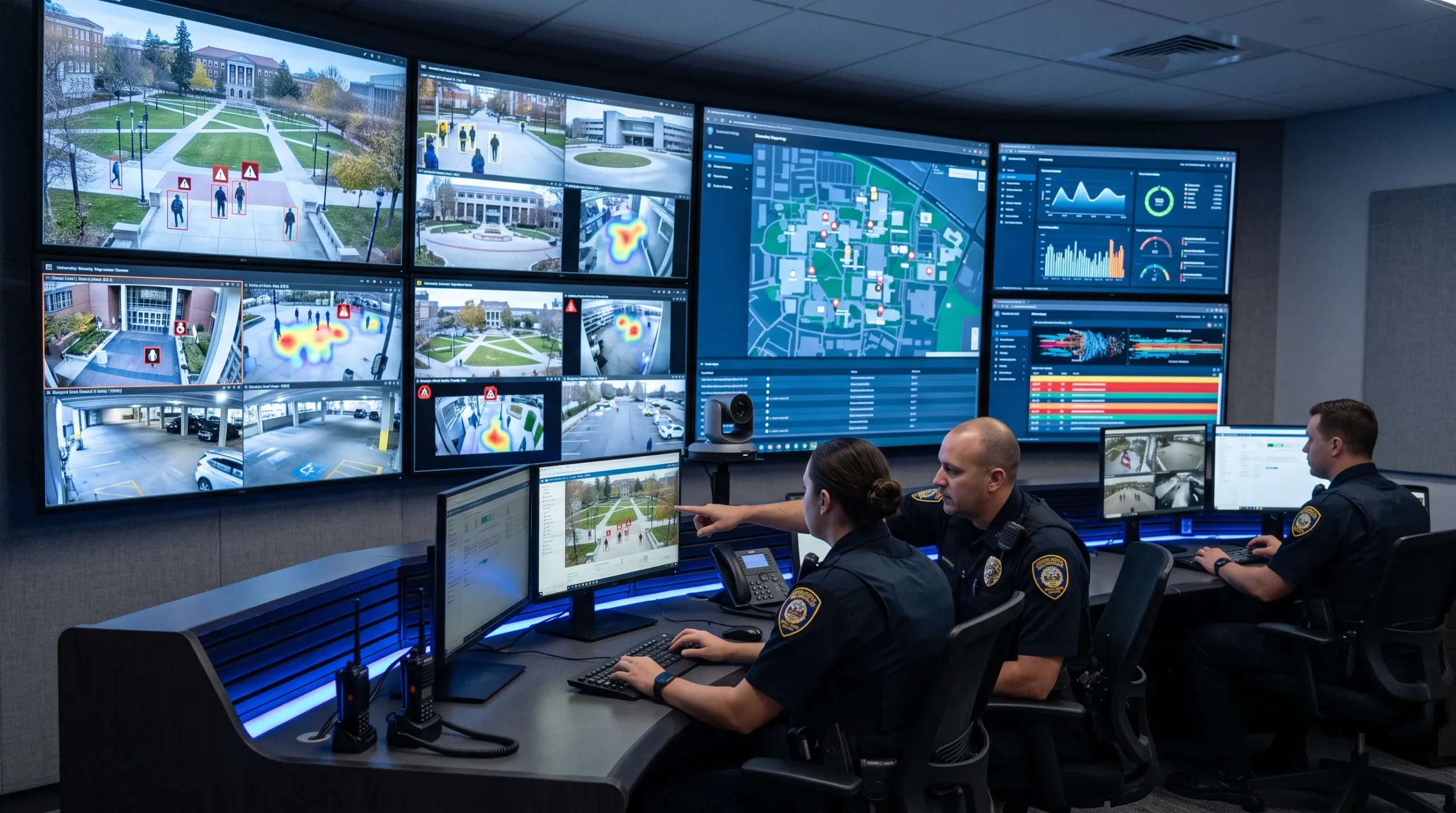
Keeping students and staff safe has become one of the biggest goals for colleges and universities. Every campus welcomes thousands of people every day. Students attend classes, teachers work in different buildings, and visitors come for meetings and events. Because of this, colleges need strong educations safety security and emergency preparedness ai weapon software that can respond quickly to possible threats.
Traditional security methods, such as CCTV cameras and security guards, are still useful. However, they cannot always detect problems fast enough. Security teams can overlook critical incidents when they are required to watch multiple camera feeds at once. This is where artificial intelligence (AI) can play an important role.
Modern educations safety security and emergency preparedness ai weapon software helps colleges improve campus safety. It uses AI to watch live video, detect possible weapons, send instant alerts, and support emergency response teams. Instead of waiting for someone to report a problem, the software can identify suspicious activity within seconds.
AI security software also helps colleges prepare for emergencies before they happen. It allows security teams to create emergency plans, monitor high-risk areas, and respond faster during critical situations. This improves the safety of students, teachers, staff members, and visitors.
Some of the main benefits include:
- Improved campus safety
- Faster emergency response
- AI-powered weapon detection
- Real-time security alerts
- Better emergency preparedness
- Smarter security monitoring
- Reduced response time during incidents
As AI technology continues to improve, more colleges and universities are investing in intelligent security systems. These solutions help protect people while making campus security more efficient and reliable.
What Is Education Safety, Security, and Emergency Preparedness AI Weapon Software?
Education safety, security, and emergency preparedness AI weapon software is a smart security solution designed for schools, colleges, and universities. It combines artificial intelligence with modern security tools to detect threats, improve safety, and help security teams respond quickly during emergencies.
Unlike traditional security systems, AI software does more than record video. It studies live camera feeds, looks for unusual activity, and sends alerts when it detects a possible danger. This allows security officers to take action before a situation becomes more serious.
Definition and Core Purpose
The main purpose of this software is to protect people and campus property. It uses AI to recognize possible threats and support security teams with real-time information.
Its main goals include:
- Detect possible weapons automatically
- Monitor campus activities 24/7
- Send instant emergency notifications
- Support quick decision-making
- Improve emergency preparedness
- Reduce security risks across campus
Instead of depending only on human monitoring, AI helps watch multiple locations at the same time. This increases accuracy and saves valuable time during emergencies.
How AI Improves Traditional Security Systems
Traditional security systems mainly record events. Someone usually has to watch the cameras or review recordings later. AI changes this process by analyzing live video automatically.
AI security software can:
- Detect unusual behavior in real time
- Identify possible weapons within seconds
- Alert security teams immediately
- Reduce false alarms
- Track security events automatically
- Support faster emergency response
This helps security staff focus on real threats instead of watching hundreds of camera screens all day.
Key Components of an AI-Powered Campus Security Platform
A complete AI security platform includes several important features that work together to improve campus safety.
These features often include:
- AI weapon detection
- Smart video surveillance
- Real-time threat monitoring
- Emergency alert system
- Access control management
- Visitor management
- Incident reporting
- Risk assessment tools
- Emergency preparedness planning
- Security analytics dashboard
Together, these tools create a safer learning environment. They allow colleges and universities to react faster, minimize potential risks, and enhance their overall security strategy.
Why Colleges and Universities Need AI Security Software

Colleges and universities are open environments where thousands of people move around every day. Students attend classes, staff members work in various departments, and visitors come to the campus for meetings, events, and many other activities. Managing the safety of such a large area can be difficult without modern technology.
AI security software helps security teams monitor the campus more effectively. It provides real-time information, detects possible threats, and supports faster action during emergencies. This makes the campus safer for everyone.
Increasing Campus Safety Risks
Campus security challenges have changed over the years. Security teams now have to deal with many different types of risks.
Some common concerns include:
- Unauthorized visitors
- Weapon-related threats
- Theft and vandalism
- Violence on campus
- Suspicious activities
- Emergency situations
Traditional security methods may not detect these risks quickly enough. AI software continuously monitors important areas and alerts security teams as soon as it notices unusual activity.
Faster Emergency Response
During an emergency, every second matters. A quick response can help reduce injuries and protect more people.
AI security software supports faster action by:
- Detecting threats in real time
- Sending instant alerts to security teams
- Sharing the exact location of an incident
- Supporting quick communication during emergencies
- Helping responders make informed decisions
With faster alerts, security officers can respond before a situation becomes more serious.
Protecting Students, Faculty, and Visitors
Campus safety is about protecting everyone, not just students. Teachers, staff members, contractors, and visitors also need a secure environment.
AI security software helps by:
- Monitoring classrooms and lecture halls
- Watching entry and exit points
- Protecting student housing
- Improving security during campus events
- Detecting unusual behavior in crowded areas
A safer campus allows students to focus on learning while giving parents and staff greater peace of mind.
Supporting Campus-Wide Security Operations
Large campuses often have hundreds of cameras and many buildings. Monitoring everything manually is challenging.
AI helps security teams by:
- Watching multiple locations at the same time
- Prioritizing serious security alerts
- Recording security events automatically
- Creating detailed incident reports
- Providing useful data for future planning
Instead of replacing security staff, AI works as a smart assistant. It lowers the workload and allows teams to make quicker and more informed decisions.
Essential Features of AI Security Software for Colleges and Universities

Not all AI security platforms offer the same tools. The best solutions combine several features to improve campus safety and emergency preparedness. Together, these features help security teams detect threats early and respond quickly.
AI Weapon Detection
AI weapon detection is one of the most valuable features of modern campus security software. It uses computer vision to identify possible weapons through security cameras.
Its benefits include:
- Real-time weapon detection
- Instant alerts
- Faster emergency response
- Continuous monitoring
- Reduced human error
This allows security teams to act immediately when a possible threat is detected.
Intelligent Video Surveillance
AI-powered surveillance systems do more than record video. They analyze live footage and highlight unusual activities automatically.
These systems can:
- Monitor multiple cameras at once
- Detect suspicious movement
- Identify restricted-area access
- Reduce manual camera monitoring
- Store important security events
This helps security officers focus on situations that need immediate attention.
Real-Time Threat Detection
AI can quickly recognize unusual events that may require investigation.
Examples include:
- Suspicious behavior
- Unauthorized entry
- Abandoned objects
- Crowd disturbances
- Possible security threats
The software immediately sends alerts so security teams can respond without delay.
Emergency Notification and Mass Alerts
Fast communication is essential during emergencies.
AI security software can quickly send notifications through different channels, such as:
- Mobile notifications
- SMS messages
- Email alerts
- Public announcement systems
- Desktop notifications
These alerts help students, faculty, and staff receive important information as quickly as possible.
Access Control and Smart Identity Verification
Access control helps protect sensitive areas on campus by allowing only authorized people to enter.
Common features include:
- Digital ID verification
- Smart card access
- Biometric authentication
- Visitor access management
- Door activity monitoring
These tools reduce unauthorized access and improve overall campus security.
Incident Reporting and Case Management
Keeping accurate records helps security teams improve future planning.
AI software can:
- Record incidents automatically
- Organize security reports
- Track investigations
- Store evidence securely
- Generate security reports for review
This saves time and improves documentation.
AI-Based Risk Assessment
AI can study security data to identify areas that may need extra attention.
It helps colleges by:
- Finding high-risk locations
- Detecting security patterns
- Supporting preventive planning
- Improving resource allocation
- Strengthening campus safety strategies
Emergency Preparedness Planning Tools
Being prepared is just as important as responding to emergencies.
Many AI security platforms include tools that help colleges:
- Create emergency response plans
- Manage evacuation procedures
- Schedule emergency drills
- Share safety instructions
- Improve coordination with emergency responders
These tools help colleges respond more confidently when unexpected situations occur.
How AI Weapon Detection Technology Works

AI weapon detection technology is designed to help security teams identify possible weapons as quickly as possible. It works with existing security cameras or smart surveillance systems. Instead of waiting for someone to notice a threat, the software checks live video automatically and sends alerts when it detects something suspicious.
The goal is not to replace security officers. It helps them respond faster by providing real-time information.
Computer Vision and Deep Learning
AI weapon detection uses computer vision and deep learning to study images and video.
The software is trained to recognize objects that may look like weapons. It compares what it sees with patterns it has learned during training.
This allows the system to:
- Analyze live camera footage
- Recognize possible weapons
- Detect objects within seconds
- Improve detection accuracy over time
- Reduce manual monitoring
Human security staff still review alerts before taking action.
Real-Time Camera Monitoring
AI software monitors connected security cameras all day and night.
Unlike traditional CCTV systems that only record video, AI actively checks every frame for possible risks.
This provides several benefits:
- Continuous monitoring
- Faster threat detection
- Coverage of multiple locations
- Immediate security awareness
- Less pressure on monitoring staff
Large campuses can monitor classrooms, entrances, parking areas, libraries, residence halls, and other important locations at the same time.
Automated Threat Verification
Not every unusual object is a real threat. Modern AI systems are designed to reduce unnecessary alerts by checking several details before sending a notification.
The software may consider:
- Object shape
- Object size
- Movement patterns
- Camera angle
- Confidence level of detection
This process helps security teams focus on alerts that require attention while reducing false alarms.
Instant Alerts to Security Teams
When the software detects a possible threat, it immediately sends alerts to the appropriate security personnel.
These alerts may include:
- The camera location
- The time of detection
- Images or video clips
- The level of possible risk
- Recommended response steps
Quick alerts help security teams assess the situation and respond without unnecessary delays.
Benefits of AI Security Software in Higher Education
AI security software offers many advantages for colleges and universities. It helps create a safer learning environment while improving the way security teams manage daily operations and emergency situations.
Improved Student and Staff Safety
The biggest benefit is better protection for everyone on campus.
AI helps by:
- Monitoring important areas continuously
- Detecting possible threats early
- Supporting faster security responses
- Increasing awareness during emergencies
A safer campus allows students and staff to focus on learning and teaching.
Faster Incident Detection
Finding problems early can prevent a small issue from becoming a larger one.
AI helps security teams by:
- Watching multiple cameras at once
- Detecting unusual activity quickly
- Sending instant notifications
- Helping officers reach the location sooner
This reduces response time during emergencies.
Reduced False Alarms
Older security systems often create alerts that turn out to be harmless.
Modern AI software is designed to improve accuracy by analyzing several factors before sending a warning.
Benefits include:
- Fewer unnecessary alerts
- Better use of security resources
- Faster attention to real threats
- Less interruption to campus activities
Better Emergency Preparedness
Preparation is an important part of campus safety.
AI security software supports emergency planning by helping colleges:
- Prepare emergency response plans
- Improve evacuation procedures
- Conduct safety drills
- Monitor emergency readiness
- Review past incidents for improvement
This helps campuses respond more effectively when emergencies occur.
Lower Operational Costs
Although AI security software requires an initial investment, it can reduce some long-term operating costs.
It helps by:
- Reducing manual monitoring
- Improving staff efficiency
- Automating routine security tasks
- Preventing costly security incidents
- Supporting better resource planning
The result is a more efficient security operation.
Data-Driven Security Decisions
AI systems collect useful security information that can help colleges improve their safety strategies.
Security teams can use this data to:
- Identify high-risk areas
- Review security trends
- Improve patrol schedules
- Plan future security upgrades
- Measure the effectiveness of safety programs
Using real data helps colleges make smarter decisions and continuously improve campus security.
Common Use Cases Across College Campuses

AI security software can protect many areas of a college or university campus. Each location has different security needs. AI helps monitor these places in real time and supports faster action when a possible threat is detected.
Classroom Buildings
Classrooms are busy throughout the day. Hundreds of students and teachers move between rooms during class hours.
AI security software helps by:
- Monitoring hallways and entrances
- Detecting unauthorized access
- Sending alerts about suspicious activity
- Supporting quick emergency response
This creates a safer learning environment for students and faculty.
Student Residence Halls
Residence halls are home to many students. These buildings need strong security at all times.
AI can improve safety by:
- Monitoring entry points
- Controlling visitor access
- Detecting unusual activity
- Sending real-time alerts to security staff
These features help protect students where they live.
Libraries and Study Centers
Libraries are often open for long hours and may remain busy during evenings.
AI security software can:
- Monitor quiet study areas
- Protect valuable equipment
- Detect suspicious behavior
- Improve emergency response if needed
Students can study with greater confidence in a secure environment.
Sports Stadiums and Event Venues
Large campus events attract many visitors. Maintaining security in busy environments can be difficult.
AI supports event safety by:
- Monitoring large crowds
- Detecting possible threats
- Watching entry and exit points
- Helping security teams respond quickly
- Supporting emergency evacuation if required
This improves safety during sporting events, concerts, and graduation ceremonies.
Parking Areas and Campus Entrances
Parking lots and campus entrances are important areas for security monitoring.
AI systems help by:
- Watching vehicle movement
- Detecting unauthorized entry
- Monitoring isolated areas
- Providing instant alerts when needed
These areas often have fewer people present, making continuous monitoring especially valuable.
Research Laboratories
Many universities have research labs with expensive equipment and restricted access.
AI security software helps protect these facilities by:
- Managing access permissions
- Monitoring laboratory entrances
- Detecting unusual activity
- Recording security events
- Supporting compliance with campus security policies
This helps protect both research projects and valuable assets.
Challenges and Considerations Before Implementation
AI security software offers many benefits, but colleges should also understand the challenges before choosing a solution. Careful planning helps ensure the system works effectively and meets the campus’s needs.
Privacy and Data Protection
Security cameras and AI systems collect large amounts of information. Colleges should respect privacy while keeping the campus safe.
Important steps include:
- Protecting personal information
- Limiting access to security data
- Following privacy laws and policies
- Using secure data storage
A clear privacy policy helps build trust among students, staff, and visitors.
AI Accuracy and False Positives
No AI system is perfect. Sometimes the software may identify an object as a threat when it is not.
To improve accuracy, colleges should:
- Choose reliable AI software
- Regularly update the system
- Test detection performance
- Keep human security staff involved
Human review remains an important part of every security response.
Integration with Existing Security Systems
Many colleges already use CCTV cameras, access control systems, and emergency communication tools.
Before purchasing AI software, institutions should check whether it can work with their current systems.
Good integration helps:
- Reduce installation costs
- Improve system performance
- Avoid replacing existing equipment
- Create a single security platform
Staff Training and Adoption
Security staff need proper training to use AI tools effectively.
Training should include:
- Understanding AI alerts
- Responding to emergencies
- Using reporting tools
- Managing security dashboards
- Following emergency procedures
Well-trained teams can make better use of the software’s features.
Budget and Scalability
Every college has different financial resources and security requirements.
Before investing, decision-makers should consider:
- Software licensing costs
- Installation expenses
- Future maintenance
- System upgrades
- Capability to grow as the campus expands
Choosing a scalable solution allows colleges to add more cameras, buildings, and security features in the future without replacing the entire system.
Best Practices for Choosing AI Security Software
Choosing the right AI security software is an important decision for any college or university. Every campus has different security needs, budgets, and existing systems. Comparing different solutions carefully can help institutions make a better long-term investment.
Identify Campus Security Needs
Before selecting any software, colleges should understand what they want to protect.
Questions to consider include:
- Which campus areas need the most protection?
- How many buildings and cameras are there?
- What types of emergencies are most likely?
- How many security staff members will use the system?
Knowing these needs makes it easier to choose the right solution.
Evaluate AI Detection Accuracy
Accurate detection is one of the most important features of AI security software.
Look for software that offers:
- Reliable threat detection
- Low false alarm rates
- Fast alert delivery
- Continuous system improvements
- Proven performance in real-world environments
A more accurate system helps security teams respond with confidence.
Check Integration Capabilities
The best AI security software should work with existing campus technology whenever possible.
Check whether the software supports:
- Existing CCTV cameras
- Access control systems
- Emergency notification tools
- Visitor management systems
- Security reporting platforms
Good integration reduces installation time and helps create a unified security system.
Consider Cloud vs. On-Premises Deployment
Many AI security solutions are available as cloud-based or on-premises systems.
Cloud-based solutions often provide:
- Easy remote access
- Automatic software updates
- Flexible expansion
- Lower hardware requirements
On-premises systems may offer:
- Greater local control
- Internal data management
- Custom security settings
Each college should choose the option that best fits its policies and resources.
Review Compliance and Security Standards
Security software should meet industry standards and support data protection requirements.
Before purchasing, check whether the solution provides:
- Strong data encryption
- Secure user access
- Regular security updates
- Activity logs
- Compliance with applicable privacy regulations
A secure platform protects both campus data and user information.
Vendor Support and Future Updates
AI technology continues to improve. Choosing a vendor that provides long-term support is important.
Look for vendors that offer:
- Technical support
- Regular software updates
- Security patches
- User training
- Product improvements
Reliable support helps colleges keep their security systems effective over time.
Future Trends in AI Campus Security
AI technology is developing quickly, and campus security will continue to improve in the coming years. New tools will help colleges detect risks earlier, respond faster, and make better security decisions.
Predictive Threat Intelligence
Future AI systems will analyze security data to identify possible risks before they become serious incidents.
These systems may help security teams:
- Detect unusual patterns
- Identify high-risk locations
- Improve patrol planning
- Prevent potential security problems
This allows colleges to focus more on prevention than reaction.
AI-Powered Autonomous Surveillance
Next-generation surveillance systems will become even smarter.
They may be able to:
- Track suspicious movement automatically
- Follow security events across multiple cameras
- Prioritize important alerts
- Assist security officers with faster decision-making
Human oversight will still remain essential for confirming alerts and taking appropriate action.
Smart Campus Ecosystems
Future campuses will connect different security systems into one intelligent platform.
This may include:
- Security cameras
- Access control systems
- Emergency notification platforms
- Visitor management
- Building management systems
Connecting these tools can improve communication and coordination during emergencies.
Generative AI for Emergency Planning
Generative AI may help security teams prepare for different emergency situations.
It can assist with:
- Creating emergency response plans
- Developing evacuation scenarios
- Preparing staff training materials
- Reviewing previous incidents
- Suggesting ways to improve safety procedures
These tools can save time while supporting better emergency preparedness.
Edge AI and Faster Threat Detection
Edge AI processes information closer to the security camera instead of sending everything to a central server.
This offers several advantages:
- Faster threat detection
- Lower response time
- Reduced network usage
- Improved system performance
- Better reliability during emergencies
As this technology improves, colleges and universities will be able to respond even more quickly to potential security threats.
Conclusion
Campus safety is a top priority for every college and university. As security challenges continue to change, modern technology is becoming an important part of protecting students, faculty, staff, and visitors.
educations safety security and emergency preparedness ai weapon software provides a smarter way to monitor campuses, detect possible threats, and support quick emergency response. With features such as AI weapon detection, intelligent video surveillance, real-time alerts, access control, and emergency preparedness planning, colleges can strengthen their overall security strategy.
Although no security system can remove every risk, AI helps security teams respond faster, improve decision-making, and make better use of available resources. When combined with trained staff, clear emergency plans, and regular safety practices, AI security software can play a valuable role in creating a safer learning environment.
As AI technology continues to evolve, colleges and universities that invest in reliable security solutions will be better prepared to protect their campuses today and in the future.
FAQS
AI security software uses artificial intelligence to monitor campuses, detect possible threats, send real-time alerts, and support faster emergency response.
It analyzes live video from security cameras and alerts security teams when it detects a possible weapon, allowing quicker action.
Yes. Many modern AI security platforms can integrate with existing CCTV cameras and other security systems, depending on compatibility.
Yes. Many solutions are scalable, allowing small colleges as well as large universities to choose features that fit their needs and budget.
Important features include AI weapon detection, intelligent video surveillance, emergency alerts, access control, incident reporting, and emergency preparedness tools.


One Comment on “AI Security Software for Colleges and Universities: Enhancing Education Safety, Security, and Emergency Preparedness”
Comments are closed.